
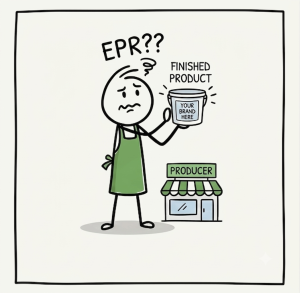
Is Packaging Taxing Your Shop?
Our Guide to Extended Producer Responsibility (EPR) in the UK.
Under the UK’s Extended Producer Responsibility (EPR) for Packaging regulations (https://www.gov.uk/government/collections/extended-producer-responsibility-for-packaging), the government is shifting 100% of the financial burden of managing packaging waste off local council taxpayers and directly onto the businesses that supply, import, or place packaged goods into the market.
For brick-and-mortar stores, this goes far beyond basic point-of-sale carrier bags. It includes your primary product packaging, shelf-ready display trays, bags, and even the transit pallets and shrink-wrap delivered to your stockroom.
Does this mean your business is going to be hit with massive waste fees? Not necessarily. Depending on your annual turnover and the weight of packaging you handle, your obligations could range from exemption to simple data reporting—or full waste fee liabilities.
Here is a small breakdown of what you need to know to stay compliant.
What is EPR, and How Does It Apply to me?
-
The Core Shift: EPR is moving from taxpayer-funded waste handling to producer-funded recycling.
-
Why Stores, Online and Counter Sales are Affected: It isn’t just about what you sell to the customer. Under EPR, packaging is categorised by its journey:
-
Primary (Sales) Packaging: The box, bucket, bottle, or jar housing the product.
-
Secondary (Grouped) Packaging: Shelf-ready display trays, multipack films, or cardboard sleeves used on the shop floor.
-
Tertiary (Transit) Packaging: Pallet wrap, outer cardboard cases, and strapping used to ship goods to your stockroom.
-
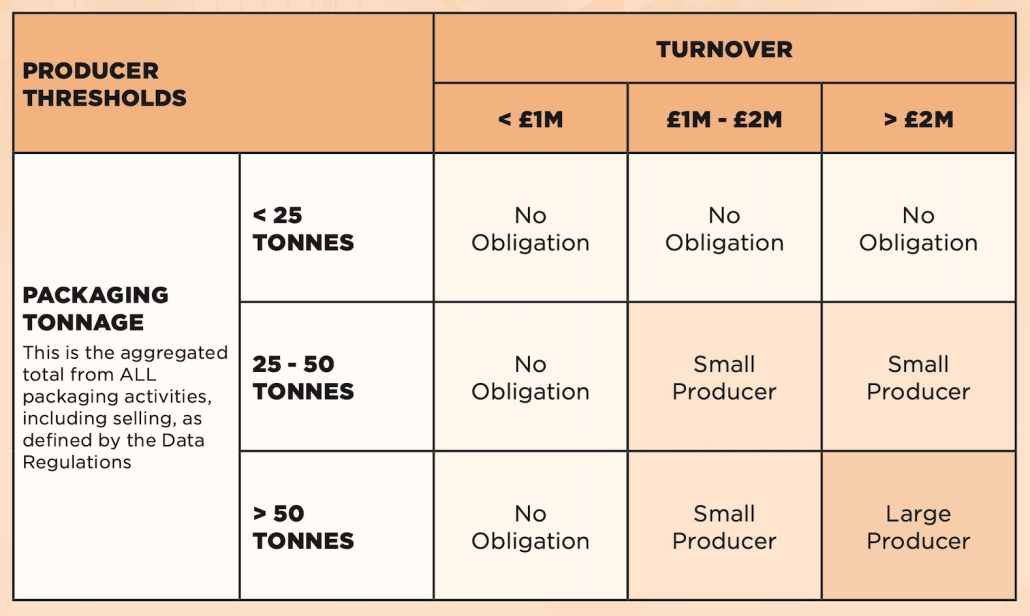
Am I Affected? The Official Threshold Breakdown
You must cross both the annual turnover and weight of packaging thresholds to be obligated.
A food producer with a turn over £3 million but only handling 8 tonnes of plastic pots is Exempt. A garden centre turning over £1.2 million that handles 30 tonnes of compost bags, pots, and pallets is a Small Producer.
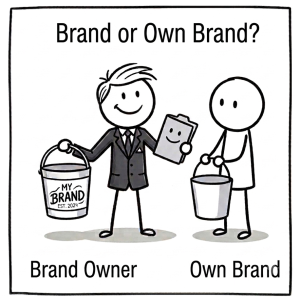
Who “Owns” the Packaging in a Retail Store?
Clarify who is legally responsible for reporting the packaging on the shelves:
-
Unbranded / Own-Brand Goods: If you print your shop’s logo on the bag, box, or product, you are the brand owner and hold full responsibility.
-
Branded Goods from UK Suppliers: If you buy stock from a UK brand, the brand owner reports it—not your shop.
-
Direct Imports: If you import products directly from overseas suppliers to sell in your shop, you act as the importer and must account for both the product packaging and the transit packaging it arrived in.
-
Carrier Bags & Gift Wrap: Paper bags, plastic bags, and gift packaging supplied at the till count toward your packaging weight.
Four Practical Steps To Take
-
Differentiate Own-Brand vs. Third-Party Stock: Map out what percentage of your shop’s inventory is imported directly or sold under your own store brand.
-
Weigh Your Store Consumables: Weigh a sample of your carrier bags, gift boxes, tissue paper, and stockroom waste (boxes/pallet wrap) to build an estimate.
-
Audit Your Stockroom Deliveries: Ask key suppliers for the tare weights of outer cartons and display packaging.
-
Build a Simple Tonnage Tracker: Multiply average packaging weight per item by annual unit sales to easily monitor whether you are approaching the 25-tonne mark.

EXAMPLE:
The Local Farm Shop & Delicatessen
-
Selling National Dairy & Artisan Brands: For jars of jam, local gin, or branded butter sourced from UK suppliers, the original food producer is the brand owner and handles the bottle, label, and cap reporting.
-
Farm-Packed Produce: The farm shop bags its own loose potatoes into unbranded paper sacks or pots its own olives at the deli counter. Here, the shop acts as the Packer/Filler. The weight of those paper sacks, deli tubs, and plastic film lids belongs to the farm shop’s total.
-
Stockroom Delivery Waste: When local produce arrives in wooden crates or cardboard display trays, the shop must track what happens to that packaging. If the trays are discarded in the shop’s commercial bin rather than reused, it counts as self-managed back-of-house waste. If the transit waste is returned to supplier it does not carry the same burden as single use.
