
Colour and IML Decoration
Bespoke Packaging for your business
A logo, image or information can be integrated with the bucket, creating a scratch-resistant and photo-realistic image. We can match buckets, lids and handles to your companies unique shade for a truly bespoke packaging solution.
What Is IML?
What is IML (In-Mould Labelling)?
IML is an advanced manufacturing process where a pre-printed polypropylene (PP) label is positioned directly into the injection mould before the plastic is injected. The label and the container fuse together to become a single, seamless unit.
IML becomes an integral part of the container wall. This results in a “no-label” look that is sleek, professional, and impossible to peel.
Why Choose IML for Your Product Packaging?
For brands looking to combine high-performance functionality with premium shelf appeal, In-Mould Labelling offers several distinct advantages:
-
Extreme Temperature & Humidity Resistance: IML is the gold standard for frozen and refrigerated food packaging. The labels are moisture-proof and can withstand rapid temperature shifts without peeling, bubbling, or fading.
-
Superior Durability: Because the label is embedded in the plastic, it is naturally scratch-resistant and shatter-proof. Your branding remains pristine from the factory floor to the consumer’s home.
-
High-Definition Photo Quality: Our printing technique allows for high-resolution, full-colour imagery. With IML, you can decorate all sides of a container, including the lid.
-
Agile Design Updates: In a fast-moving market, ingredients and barcodes change. IML allows for cost-effective design iterations, letting you update your artwork without the need for a redesign to the artwork template.
A Sustainable, 100% Recyclable Packaging Choice
Modern consumers demand eco-friendly solutions. One of the greatest benefits of IML is its contribution to the circular economy.
Since both the container and the label are manufactured from the same polypropylene material, the entire unit is 100% recyclable. There is no need to separate different materials during the waste process, making it an environmentally responsible choice for brands committed to sustainability.

Custom Printed Packaging: Elevate Your Brand with Premium In-Mould Labelling (IML)
In a crowded marketplace, your packaging is your most powerful marketing tool. At Victoria Packaging, we help your brand stand out with custom printed plastic containers utilizing state-of-the-art In-Mould Labelling (IML) technology.
Why Choose IML for Your Branded Packaging?
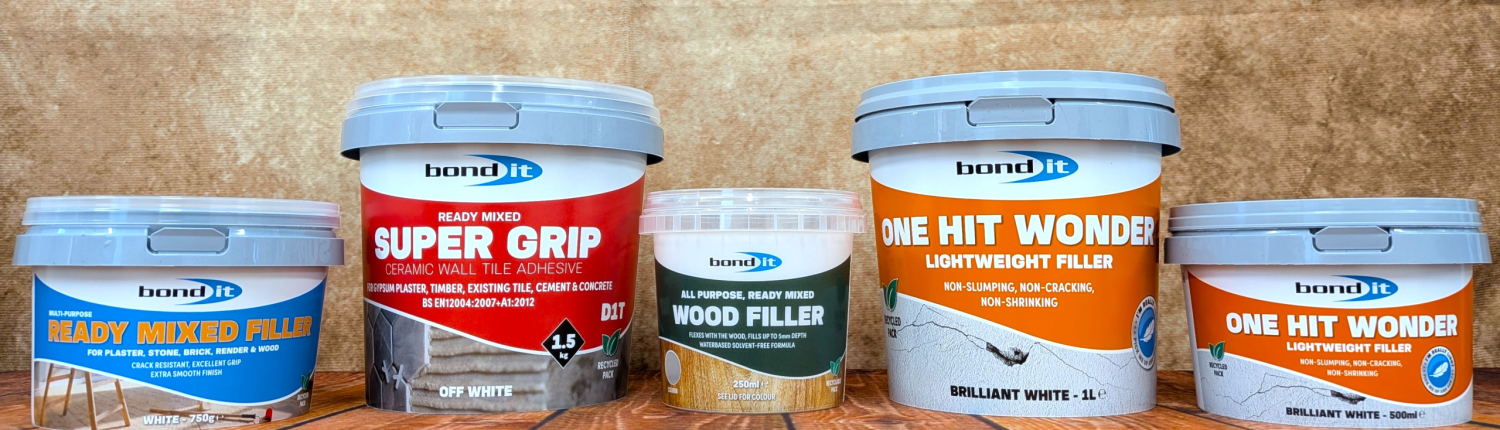
In-Mould Labelling isn’t just a decoration; it’s a fusion of form and function. During the injection moulding process, a high-definition, pre-printed label is permanently fused into the body of the container or lid.
This advanced technique offers several key advantages over traditional stick-on labels:
-
Photo-Realistic Quality: Achieve vibrant colors and crystal-clear imagery that traditional printing can’t match.
-
Permanent Branding: Because the label is embedded in the plastic, it will not peel, crack, or wrinkle, ensuring your brand looks perfect from the warehouse to the consumer’s kitchen.
-
Total Versatility: Whether you need clear plastic buckets with transparent labels for a “no-label” look or vibrant, opaque designs, IML delivers a premium, seamless finish.
Durable Solutions for Every Range
Our IML options are available on a range of sizes across our entire plastic packaging range*, including matching lids**. Whether you are packaging food, industrial chemicals, or retail goods, our IML packaging provides a long-lasting, high-quality finish that withstands moisture, refrigeration, and heavy handling.
Sustainable Tip: IML packaging is 100% recyclable. Because the container and label are made of the same material, they can be processed together, supporting your company’s green initiatives.
Custom Branded Self-Adhesive Labels for Plastic Packaging
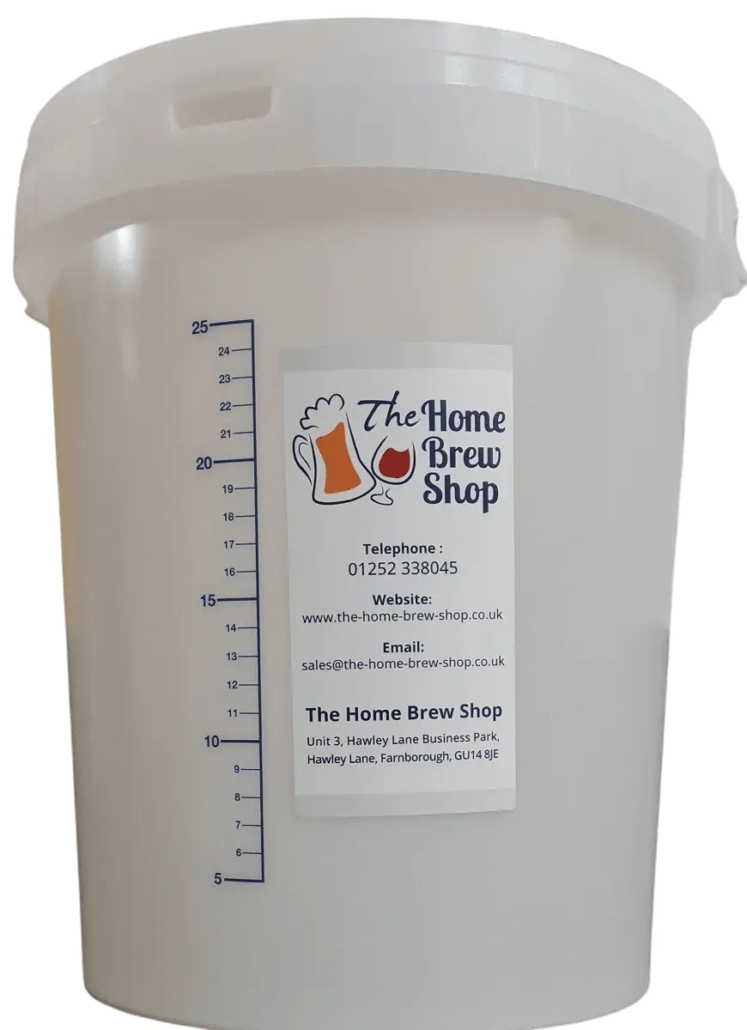
Make your products pop on the shelf with professional, high-quality self-adhesive labels. At Victoria Packaging, we understand that your brand identity is your most valuable asset. That’s why we partner with a leading UK label manufacturer to provide premium branding solutions tailored specifically for our range of plastic pots and buckets.
Durable & Waterproof Labelling Solutions
In the food, chemical, and industrial sectors, a label needs to do more than just look good—it needs to last. Our custom printed adhesive labels are designed for high-performance environments:
-
Water-Resistant Coating: We offer specialized plastic-coated labels that resist moisture, oils, and humidity, ensuring your branding stays crisp and intact.
-
Bespoke Sizes & Styles: From small sample pots to large industrial buckets, we provide a vast array of label dimensions to fit your specific packaging needs.
-
High-Tac Adhesion: Engineered to bond perfectly with polypropylene (PP) surfaces, preventing peeling or edge-lifting during transit.
From Concept to Container: Professional Design Support
Whether you have a print-ready file or just the seed of an idea, we are here to help.
-
Existing Artwork: Send us your high-resolution files, and we will ensure they are optimized for the best possible print finish.
-
Design Assistance: If you’re starting from scratch, our team can assist in creating a professional label design that reflects your brand’s values and meets regulatory standards.
Order Specifications
To ensure the perfect fit and finish for our customers, please note our service guidelines:
-
Add-On Service: Our high-quality labels are an exclusive add-on product for customers purchasing from our plastic pot or bucket ranges.
-
Supply Format: Labels are supplied in convenient rolls or sheets for easy manual or machine application.
-
Note on Application: Please be aware that while we supply the high-spec labels, we do not offer an in-house application service.
Custom Coloured Containers: Vibrant Packaging to Make Your Brand Stand Out
In a competitive retail environment, colour is your most immediate brand ambassador. At Victoria Packaging, we provide high-quality custom coloured buckets and lids designed to give your products a distinctive edge on the shelf.
From bold, primary-coloured industrial containers to precise Pantone-matched brand packaging, we turn functional plastic into a powerful marketing asset.
Stand Out with Our Standard Colour Range
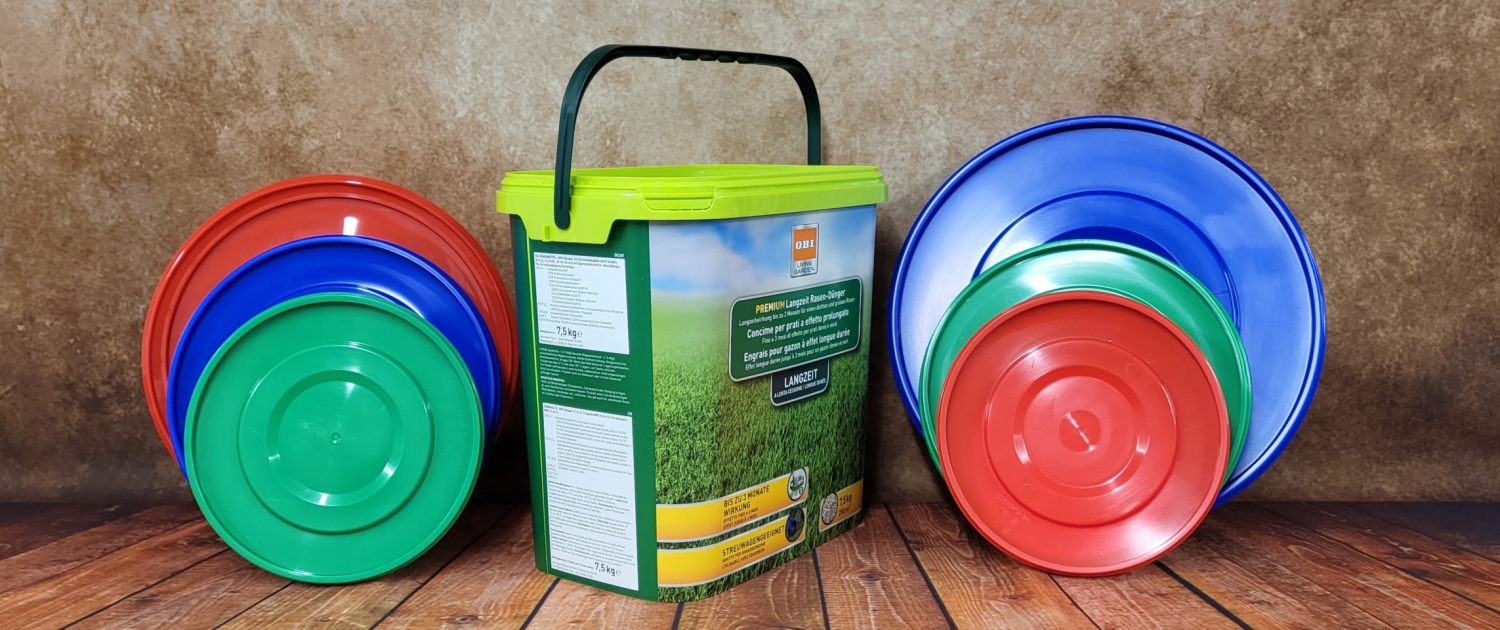
If you need a quick, eye-catching solution, we stock a variety of popular coloured plastic buckets and lids. Our standard palette is designed to suit a wide range of industries—from catering to construction.
-
Available Standard Colours: Blue, Black, Red, Green, Yellow, and Grey. MOQ and lead times vary depending on availability.
-
In-Stock Lids: We hold stock of a select range of popular coloured lids to complement our white and clear containers, allowing for a “mix and match” look with shorter lead times.
Bespoke Pantone Matching for Large Orders
For established brands with strict identity guidelines, “close enough” isn’t good enough. If you have a specific corporate Pantone (PMS) reference, we can manufacture your packaging to match it exactly.
-
Precision Manufacturing: Our custom-coloured buckets are produced to order, ensuring a consistent, high-quality finish across your entire product line.
-
Minimum Order Quantities (MOQ): Due to the specialized nature of the pigment injection process, bespoke colours are subject to a minimum order quantity.
Fully Integrated Colour Design: Handles & Lids
Don’t let a plain handle distract from your vibrant design. We offer hardware options to complete the look of your branded plastic containers:
-
Standard Handles: Our buckets typically feature white polypropylene plastic or durable metal handles with a comfortable roller grip.
-
Colour-Matched Handles: For large, repeat orders, we can produce the carrying handle in a matching colour to create a truly seamless, high-end appearance.
Why Choose Victoria Packaging for Coloured Buckets?
Our coloured containers aren’t just about looks; they are manufactured from the same high-grade polypropylene as our standard range, ensuring they are food-safe, durable, and 100% recyclable.